
Top 10 Project Management Software for Teams
Let’s be real, managing projects can feel like herding cats, especially when you’re working with a team. Deadlines loom, tasks pile up, and communication can get…messy. You’re juggling emails, spreadsheets, and sticky notes, desperately trying to keep everything from falling apart. Sound familiar? You’re not alone!
Fortunately, we live in a digital age where project management software exists to rescue us from this chaos. These tools are designed to streamline workflows, improve collaboration, and generally make your life (and your team’s life) a whole lot easier. They offer features like task assignment, progress tracking, communication channels, and reporting, all in one convenient place. Think of them as your digital project assistant, always ready to lend a helping hand.
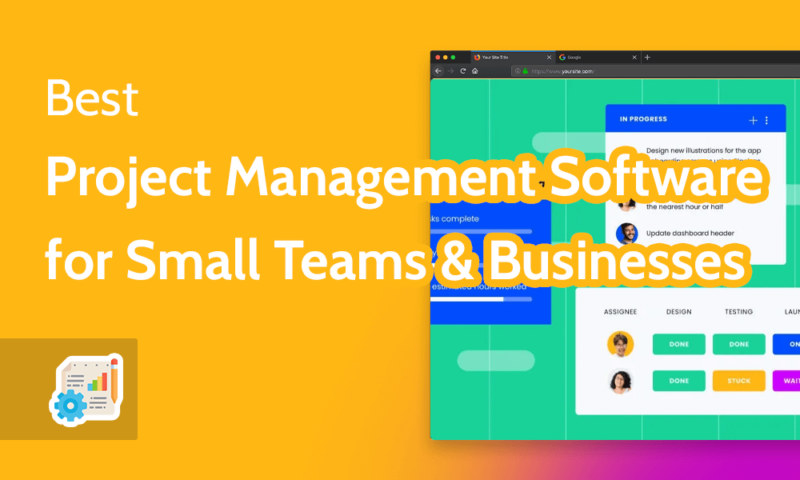
But with so many options available, choosing the right project management software can feel overwhelming. That’s why we’ve compiled a list of the top 10 project management software options for teams, carefully curated to help you find the perfect fit for your needs. We’ll break down their key features, pricing, and ideal use cases, so you can finally ditch the chaos and start managing your projects like a pro. Get ready to say goodbye to those late nights and hello to a more organized and productive team!
Top 10 Project Management Software for Teams
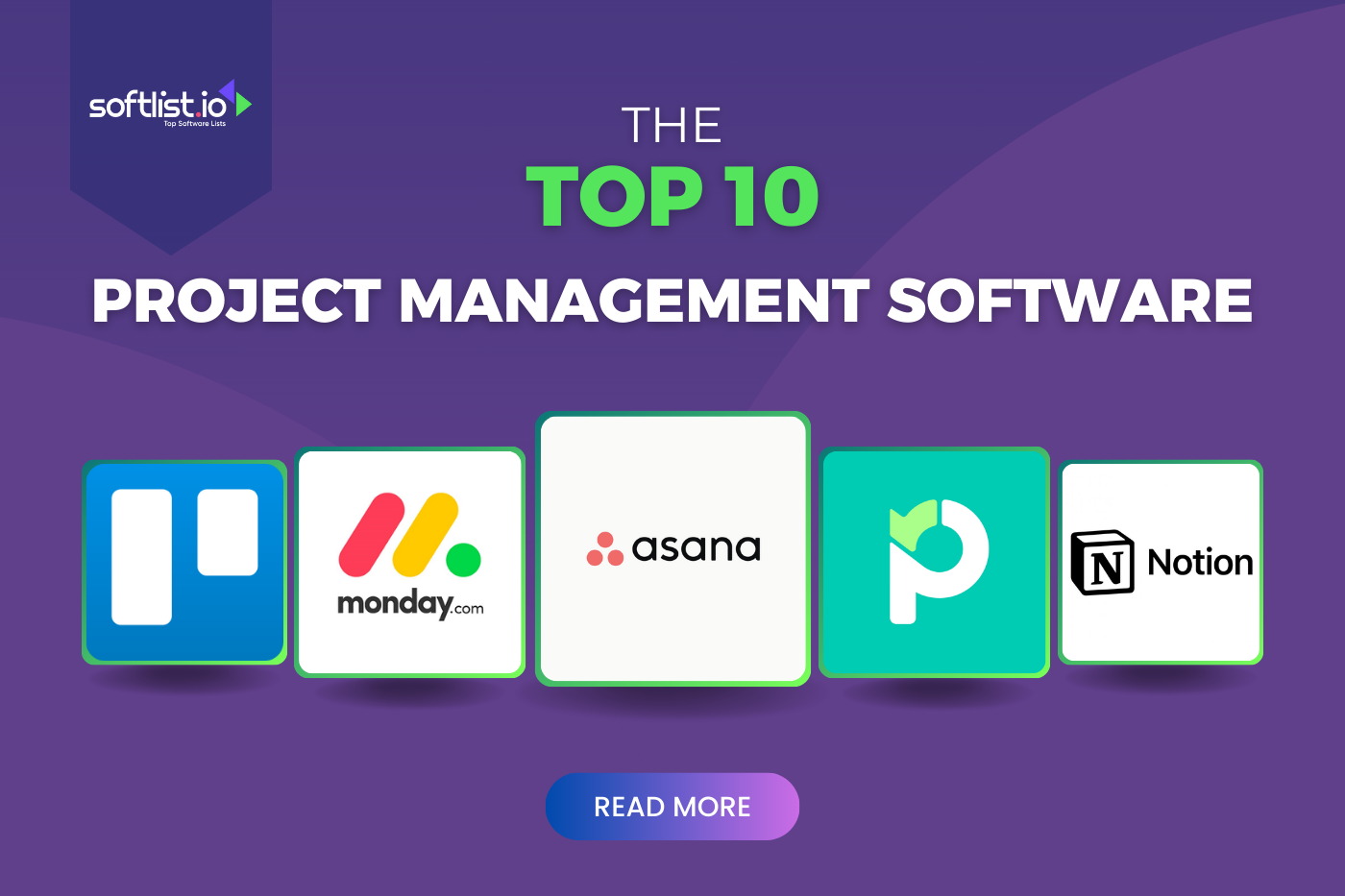
Alright, let’s dive into our top picks for project management software that can seriously up your team’s game. We’ve considered factors like usability, features, pricing, and overall value to bring you a diverse range of options that should cater to different team sizes and project complexities. Prepare to meet your new project management BFF!
1. Asana: The Visual Workflow Master
Asana is a popular choice for its clean interface and powerful features. It excels at visually organizing tasks and projects, making it easy to see what needs to be done and who’s responsible. It’s perfect for teams that thrive on visual organization and appreciate a user-friendly experience. For more information, you can refer to Best Project Management Software as an additional resource.
- Key Features: Task management, project timelines, Kanban boards, calendar view, collaboration tools, reporting.
- Pros: Intuitive interface, robust features, excellent for visual learners, integrates with many other tools.
- Cons: Can be overwhelming for very small teams or simple projects, pricing can be a bit steep for larger teams.
- Pricing: Free plan available for small teams. Paid plans start at around $10.99 per user per month.
- Best For: Medium to large teams that need a visually appealing and comprehensive project management solution.
2. Trello: The Kanban Board King
Trello is all about simplicity and flexibility. Its Kanban board system allows you to visually track progress and move tasks through different stages of completion. It’s a fantastic option for teams that need a lightweight and adaptable solution.
- Key Features: Kanban boards, drag-and-drop functionality, checklists, labels, due dates, collaboration tools.
- Pros: Easy to learn and use, highly customizable, great for visual project tracking, affordable pricing.
- Cons: Lacks some advanced features found in other platforms, can become cluttered with complex projects.
- Pricing: Free plan available. Paid plans start at around $5 per user per month.
- Best For: Small to medium-sized teams that need a simple and visual project management tool.
3. Monday.com: The Customizable Powerhouse
Monday.com stands out with its highly customizable interface and powerful automation capabilities. It allows you to tailor the platform to your specific needs and automate repetitive tasks, saving you time and effort. It’s a great choice for teams that need a flexible and versatile solution.
- Key Features: Customizable dashboards, task management, project timelines, automation, integrations, reporting.
- Pros: Highly customizable, strong automation features, visually appealing, good for tracking progress.
- Cons: Can be overwhelming to set up initially, pricing can be complex depending on features and user count.
- Pricing: Plans start at around $8 per user per month.
- Best For: Teams that need a highly customizable and automated project management solution.
4. Jira: The Agile Development Guru
Jira is specifically designed for agile development teams. It offers features like sprint planning, backlog management, and bug tracking, making it ideal for software development projects. It integrates seamlessly with other Atlassian products like Confluence.
- Key Features: Sprint planning, backlog management, bug tracking, issue tracking, workflow automation, reporting.
- Pros: Powerful features for agile development, integrates with other Atlassian tools, highly customizable.
- Cons: Can be complex to learn and use, not ideal for non-technical projects.
- Pricing: Free plan available for small teams. Paid plans start at around $7.75 per user per month.
- Best For: Software development teams that use agile methodologies.
5. ClickUp: The All-in-One Productivity Platform
ClickUp aims to be your all-in-one productivity solution, offering a wide range of features beyond project management, including time tracking, document collaboration, and goal setting. It’s a powerful option for teams that want to consolidate their tools and streamline their workflows.
- Key Features: Task management, project timelines, Kanban boards, time tracking, document collaboration, goal setting, reporting.
- Pros: Feature-rich, highly customizable, affordable pricing, good for teams that want a single platform for everything.
- Cons: Can be overwhelming with so many features, the learning curve can be steep.
- Pricing: Free plan available. Paid plans start at around $5 per user per month.
- Best For: Teams that want a comprehensive productivity platform with a wide range of features.
6. Wrike: The Enterprise-Grade Solution
Wrike is a robust project management platform designed for enterprise-level teams. It offers advanced features like resource management, risk management, and portfolio management, making it suitable for complex projects and large organizations.
- Key Features: Task management, project timelines, Kanban boards, resource management, risk management, portfolio management, reporting.
- Pros: Powerful features for complex projects, good for large organizations, customizable workflows.
- Cons: Can be expensive, complex to set up and use, not ideal for small teams.
- Pricing: Plans start at around $9.80 per user per month.
- Best For: Large organizations that need a comprehensive and enterprise-grade project management solution.
7. Teamwork: The Client-Focused Platform
Teamwork is designed to help teams manage client projects effectively. It offers features like client access, invoicing, and time tracking, making it ideal for agencies and freelancers. It helps you keep your clients in the loop and manage your billable hours.
- Key Features: Task management, project timelines, client access, invoicing, time tracking, collaboration tools.
- Pros: Excellent for client project management, offers features like invoicing and time tracking, good for agencies and freelancers.
- Cons: Can be more expensive than other options, features may not be necessary for internal projects.
- Pricing: Plans start at around $12.50 per user per month.
- Best For: Agencies, freelancers, and teams that manage client projects.
8. Zoho Projects: The Budget-Friendly Option
Zoho Projects is a budget-friendly project management software that offers a solid set of features for task management, collaboration, and reporting. It integrates seamlessly with other Zoho applications, making it a good choice for teams that already use Zoho products.
- Key Features: Task management, project timelines, Gantt charts, collaboration tools, reporting, integration with Zoho apps.
- Pros: Affordable pricing, good set of features, integrates with other Zoho apps, user-friendly interface.
- Cons: Lacks some advanced features found in other platforms, may not be suitable for very complex projects.
- Pricing: Free plan available. Paid plans start at around $5 per user per month.
- Best For: Small to medium-sized teams that need a budget-friendly project management solution.
9. Basecamp: The Simple and Focused Tool
Basecamp takes a different approach to project management, focusing on communication and collaboration rather than complex task management. It offers features like message boards, to-do lists, and file sharing, making it ideal for teams that prioritize clear communication.
- Key Features: Message boards, to-do lists, file sharing, group chat, automatic check-ins.
- Pros: Simple and easy to use, focuses on communication, good for teams that need a central hub for information.
- Cons: Lacks some advanced task management features, may not be suitable for very complex projects.
- Pricing: Flat fee of $299 per month for unlimited users and projects.
- Best For: Teams that prioritize communication and need a simple and focused project management tool.
10. Microsoft Project: The Classic Choice
Microsoft Project is a classic project management software that has been around for years. It offers a wide range of features for planning, scheduling, and tracking projects. It’s a powerful option for teams that need a comprehensive and traditional project management solution.
- Key Features: Task management, project timelines, Gantt charts, resource management, reporting, integration with Microsoft Office.
- Pros: Powerful features for project planning and scheduling, integrates with Microsoft Office, widely used.
- Cons: Can be expensive, complex to learn and use, not as collaborative as other options.
- Pricing: Plans start at around $10 per user per month.
- Best For: Teams that need a comprehensive and traditional project management solution and are already invested in the Microsoft ecosystem.
Choosing the Right Project Management Software: Key Considerations
Okay, so you’ve seen the contenders. Now, how do you actually choose the right one? Don’t just pick the prettiest interface! Here’s a breakdown of key factors to consider:
Team Size and Structure
Is your team a small, agile startup or a large, established corporation? The size and structure of your team will significantly impact your software needs. Smaller teams might benefit from simpler, more affordable options like Trello or Asana, while larger organizations might require more robust and scalable solutions like Wrike or Microsoft Project.
Project Complexity
Are you managing simple, straightforward projects or complex, multi-faceted initiatives? The complexity of your projects will determine the features you need. If you’re dealing with intricate timelines, resource allocation, and risk management, you’ll need a more comprehensive platform like Wrike or Jira. For simpler projects, a tool like Trello or Basecamp might suffice.
Budget
Let’s be honest, budget is a major factor for most teams. Project management software pricing can vary widely, from free plans to enterprise-level subscriptions. Carefully consider your budget and choose a platform that offers the features you need without breaking the bank. Don’t forget to factor in the cost of training and implementation.
Integration with Existing Tools
Does the software integrate seamlessly with the tools you already use? Integration is crucial for streamlining workflows and avoiding data silos. Look for platforms that integrate with your favorite email clients, communication tools, and other business applications. For example, if you’re heavily invested in the Microsoft ecosystem, Microsoft Project might be a good choice. If you use Zoho apps, Zoho Projects is a natural fit.
Ease of Use
A powerful software is useless if your team can’t figure out how to use it. Choose a platform with an intuitive interface and a reasonable learning curve. Consider offering training to your team to ensure they can effectively utilize the software’s features. Don’t underestimate the importance of user adoption!
Final Thoughts: Find Your Project Management Soulmate!
Choosing the right project management software is a big decision, but it’s an investment that can pay off handsomely in terms of increased productivity, improved collaboration, and reduced stress. Take the time to carefully evaluate your needs, explore different options, and don’t be afraid to try out free trials before committing to a paid subscription. With the right tool in hand, you’ll be well on your way to managing your projects like a true pro. Good luck finding your project management soulmate!
Frequently Asked Questions (FAQ) about Top 10 Project Management Software for Teams
What are the key features I should look for when choosing project management software for my team, especially for remote collaboration?
When selecting project management software for teams, particularly those working remotely, several key features are crucial. First, task management functionalities like task assignment, prioritization, deadlines, and progress tracking are essential for keeping projects on schedule. Second, robust collaboration tools, including real-time communication (chat, video conferencing integration), file sharing, and collaborative document editing, are vital for seamless teamwork. Third, reporting and analytics features provide insights into project performance, resource allocation, and potential bottlenecks. Fourth, consider integrations with other tools your team uses, such as CRM, accounting, and communication platforms. Finally, ensure the software offers mobile accessibility, allowing team members to stay connected and manage tasks from anywhere. A good balance of these features will support effective remote collaboration and project success.
How do I effectively compare the pricing models of the top project management software options for teams, and what should I consider beyond the monthly subscription cost?
Comparing pricing models for project management software requires a deeper look than just the listed monthly subscription. Start by understanding the different pricing tiers each software offers and what features are included in each tier. Consider the number of users your team has, as many platforms charge per user. Look for hidden costs, such as fees for additional storage, premium support, or specific integrations. Pay close attention to whether they offer a free trial or a free plan with limited features, which allows you to test the software before committing. Consider the long-term scalability of the pricing; will the software remain cost-effective as your team grows? Finally, assess the overall value for money – does the software’s functionality and features justify the price compared to other options? Don’t forget to read reviews from other users to understand if the actual experience matches the marketing promises.
Which project management software from the top 10 list is best suited for teams focused on agile methodologies, and what specific features support agile workflows?
Several project management software options are well-suited for teams using agile methodologies. Jira is often considered a top choice, offering robust support for Scrum and Kanban frameworks. Its features include customizable Scrum boards, sprint planning tools, and burndown charts for tracking progress. Asana is another popular option, providing flexible workflows and integrations with agile development tools. Its Kanban-style boards and task dependencies help teams visualize and manage their work. Trello, with its simple and intuitive interface, is also a strong contender for teams adopting a Kanban approach. It allows for easy creation of boards, lists, and cards, making it ideal for visualizing workflows. Other agile-friendly software includes Monday.com and ClickUp, both offering customizable dashboards and automation features. When selecting a tool, consider your team’s specific agile needs and preferences to ensure the software aligns with your workflow.


