
Best Project Management Tools with Gantt Charts
Okay, so you’re juggling deadlines, managing a team that’s scattered like confetti, and trying to keep your sanity all at the same time? Yeah, we’ve all been there. Project management can feel like herding cats sometimes, especially when you’re trying to visualize the whole process. That’s where Gantt charts come in – they’re like the superhero vision for your project, letting you see everything at a glance.
But let’s be real, a Gantt chart is only as good as the tool it’s built into. You need something that’s not just pretty to look at, but actually helps you plan, collaborate, and track progress without wanting to throw your laptop out the window. There are tons of project management tools out there, all promising to be the one, but which ones actually deliver on the Gantt chart front? That’s what we’re diving into today.
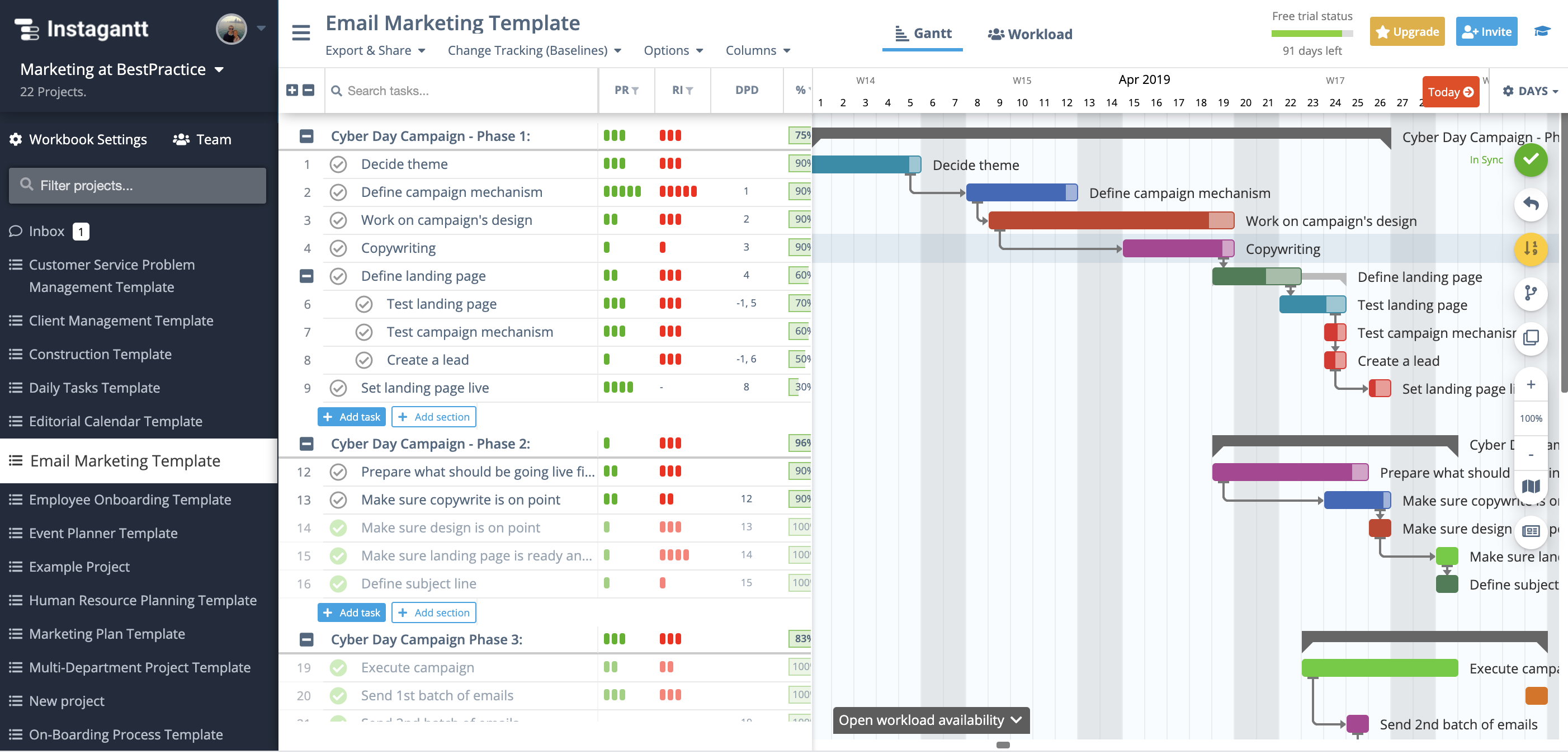
Forget sifting through endless reviews and confusing feature lists. We’ve done the legwork for you and rounded up some of the best project management tools out there, all boasting killer Gantt chart capabilities. Whether you’re a seasoned project manager or just trying to wrangle a small team project, we’ve got something for you. Get ready to ditch the spreadsheets and finally feel in control of your projects!
What Makes a Great Project Management Tool with Gantt Charts?
Before we jump into the specific tools, let’s talk about what makes a project management tool with Gantt charts truly great. It’s not just about having a pretty chart – it’s about functionality, usability, and how well it integrates with your workflow.
Key Features to Look For
When you’re evaluating project management tools with Gantt charts, keep an eye out for these essential features:
- Intuitive Interface: Nobody wants to spend hours learning how to use a tool. A user-friendly interface is crucial for quick adoption and efficient project management.
- Dependency Management: Easily link tasks together to show dependencies. This ensures that tasks are completed in the right order and helps you identify potential bottlenecks.
- Resource Allocation: Assign resources (people, equipment, etc.) to tasks and track their availability. This helps prevent over-allocation and ensures that everyone has the resources they need to complete their work.
- Progress Tracking: Monitor the progress of tasks and the overall project. Visual cues, like progress bars and color-coding, can help you quickly identify areas that need attention.
- Collaboration Features: Enable team members to communicate and collaborate directly within the tool. This can include features like commenting, file sharing, and real-time updates.
- Customization Options: Tailor the Gantt chart and other features to your specific needs. This can include customizing task fields, adding custom views, and configuring notifications.
- Integration Capabilities: Integrate with other tools you already use, such as CRM systems, accounting software, and communication platforms.
- Reporting and Analytics: Generate reports and analyze project data to identify trends, track performance, and make informed decisions.
Why Gantt Charts are Essential for Project Management
Gantt charts aren’t just a fancy visualization; they’re a powerful tool for planning, managing, and tracking projects. Here’s why they’re so essential:
- Visual Representation: Gantt charts provide a clear visual overview of the project timeline, tasks, and dependencies. This makes it easy to understand the overall project scope and identify potential issues.
- Improved Planning: By breaking down the project into smaller tasks and defining their dependencies, Gantt charts help you create a realistic project plan.
- Enhanced Collaboration: Gantt charts facilitate communication and collaboration among team members by providing a shared understanding of the project timeline and responsibilities.
- Better Resource Management: By visualizing resource allocation, Gantt charts help you ensure that resources are used efficiently and that no one is overloaded.
- Effective Progress Tracking: Gantt charts allow you to track the progress of tasks and the overall project, making it easy to identify delays and take corrective action.
Top Project Management Tools with Gantt Chart Features
Alright, let’s get down to the good stuff! Here are some of the best project management tools that offer robust Gantt chart functionality. We’ve tried to include a range of options to suit different needs and budgets.
1. Asana: The Teamwork Maestro
Asana is a popular choice for teams of all sizes. Its clean interface and powerful features make it easy to plan, organize, and track projects. The Gantt chart functionality, known as “Timeline,” is particularly well-regarded.
- Pros: User-friendly interface, excellent collaboration features, robust task management, strong integration capabilities.
- Cons: Can be expensive for larger teams, some advanced features require a higher-tier subscription.
- Gantt Chart Features: Drag-and-drop task scheduling, dependency management, critical path analysis, progress tracking.
- Ideal For: Teams of all sizes, particularly those who prioritize collaboration and task management.
2. Monday.com: The Visual Powerhouse
Monday.com is known for its visually appealing and highly customizable interface. It’s a great option for teams who want a project management tool that can be tailored to their specific needs. Their Gantt chart view is one of the most visually impressive on the market.
- Pros: Highly customizable, visually appealing interface, excellent collaboration features, strong automation capabilities.
- Cons: Can be expensive, the sheer number of features can be overwhelming for some users.
- Gantt Chart Features: Drag-and-drop task scheduling, dependency management, resource allocation, progress tracking, baseline comparison.
- Ideal For: Teams who need a highly customizable and visually appealing project management tool.
3. Wrike: The Enterprise-Grade Solution
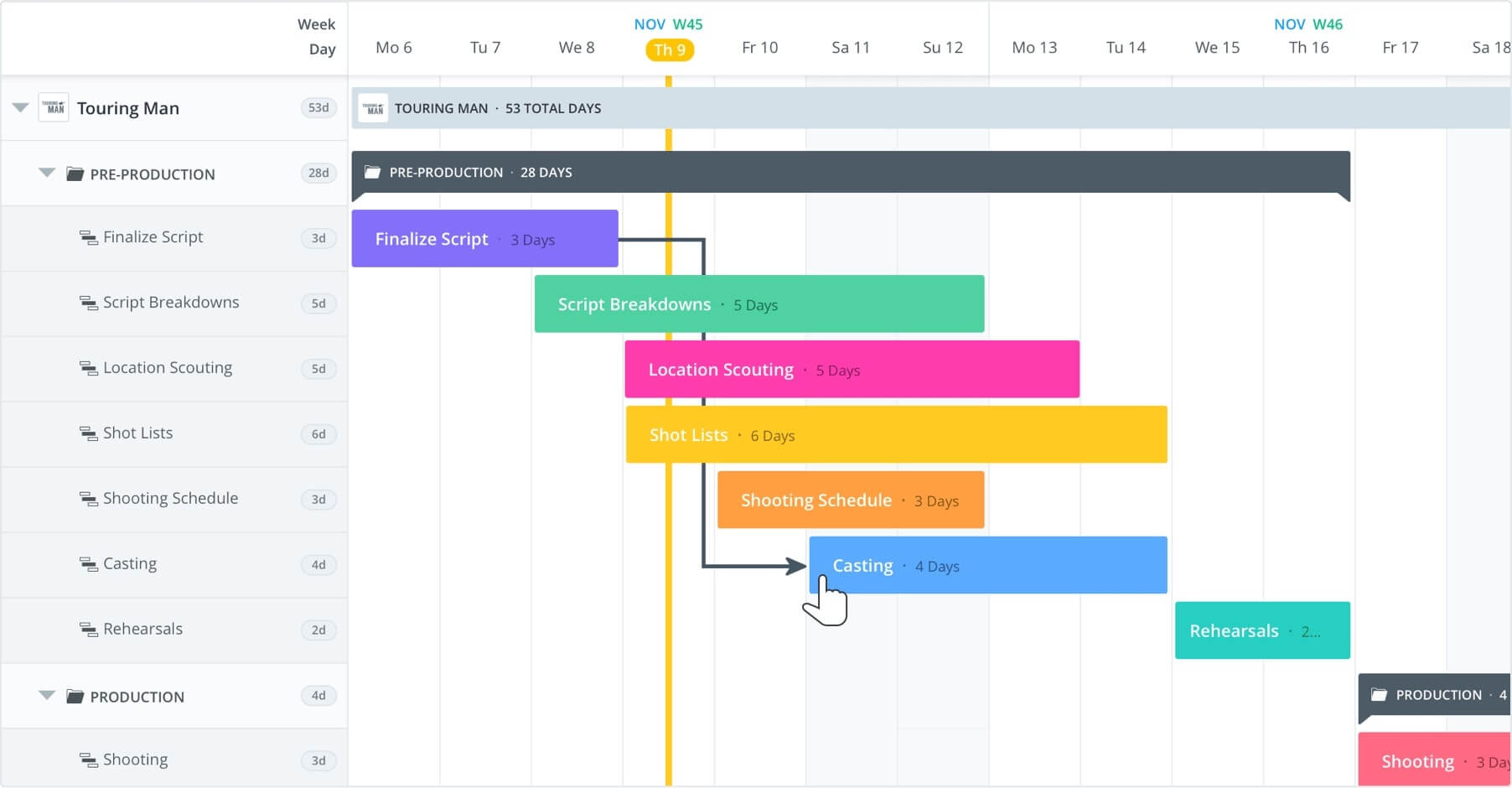
Wrike is a powerful project management tool designed for enterprise-level organizations. It offers a wide range of features, including robust Gantt chart functionality, advanced reporting, and strong security.
- Pros: Comprehensive feature set, advanced reporting and analytics, strong security, scalable for large organizations.
- Cons: Can be complex to learn and use, expensive for smaller teams.
- Gantt Chart Features: Dependency management, critical path analysis, resource allocation, baseline comparison, progress tracking, custom fields.
- Ideal For: Large organizations with complex project management needs.
4. TeamGantt: The Gantt Chart Specialist
As the name suggests, TeamGantt is a tool specifically designed for Gantt chart-based project management. It offers a simple and intuitive interface, making it easy to create and manage Gantt charts.
- Pros: Easy to use, specifically designed for Gantt chart management, affordable pricing.
- Cons: Limited features beyond Gantt chart functionality, less robust collaboration features compared to other tools.
- Gantt Chart Features: Drag-and-drop task scheduling, dependency management, resource allocation, progress tracking, baseline comparison.
- Ideal For: Teams who primarily need a Gantt chart-based project management tool.
5. ClickUp: The All-in-One Powerhouse
ClickUp aims to be the “one app to replace them all.” It offers a wide range of features, including task management, document collaboration, time tracking, and, of course, Gantt charts. It’s known for its highly customizable and flexible interface. For more information, you can refer to Best Project Management Software as an additional resource.
- Pros: Comprehensive feature set, highly customizable, affordable pricing, free plan available.
- Cons: Can be overwhelming due to the sheer number of features, the interface can feel cluttered at times.
- Gantt Chart Features: Dependency management, critical path analysis, resource allocation, progress tracking, baseline comparison, workload management.
- Ideal For: Teams who need a comprehensive and highly customizable project management tool at an affordable price.
Choosing the Right Tool for You
So, which tool is the right one for you? It really depends on your specific needs and priorities. Consider these factors when making your decision:
- Team Size: Some tools are better suited for small teams, while others are designed for larger organizations.
- Budget: Project management tools range in price from free to hundreds of dollars per month.
- Project Complexity: If you’re managing complex projects, you’ll need a tool with robust features like dependency management and critical path analysis.
- Collaboration Needs: If collaboration is a priority, look for a tool with excellent communication and collaboration features.
- Integration Requirements: Make sure the tool integrates with other tools you already use.
The best way to find the right tool is to try out a few different options. Most project management tools offer free trials, so you can test them out and see which one works best for your team.
Beyond the Tool: Best Practices for Using Gantt Charts
Okay, you’ve chosen your weapon (a.k.a. your project management tool). Now, let’s talk strategy. Even the best tool won’t save you if you’re not using Gantt charts effectively.
Keep it Updated!
A Gantt chart is only useful if it reflects the current state of the project. Make sure to update it regularly to reflect changes in task progress, deadlines, and resource allocation. Treat it as a living document.
Communicate Clearly
Use clear and concise language when defining tasks and dependencies. Make sure everyone on the team understands what needs to be done and when.
Be Realistic
Don’t underestimate the time and resources required to complete tasks. Be realistic when setting deadlines and allocating resources. It’s better to overestimate than underestimate.

Embrace Flexibility
Things rarely go according to plan. Be prepared to adjust your Gantt chart as needed to accommodate changes in scope, priorities, or resources. A good project manager is adaptable!
Final Thoughts: Conquer Your Projects with Confidence
Choosing the right project management tool with Gantt chart capabilities can make a huge difference in your ability to plan, manage, and track projects successfully. By considering your specific needs and priorities, and by following best practices for using Gantt charts, you can conquer your projects with confidence and finally ditch those stress-inducing spreadsheets. Now go forth and manage those projects like a boss!
Frequently Asked Questions (FAQ) about Best Project Management Tools with Gantt Charts
What are the key features I should look for when choosing a project management tool with Gantt chart capabilities for effective task scheduling and tracking?
When selecting a project management tool with Gantt chart functionality, consider several key features. First, robust task management is crucial, including the ability to create dependencies, assign resources, set deadlines, and track progress. The Gantt chart should allow for easy visual manipulation of tasks, such as dragging and dropping to reschedule, and linking tasks to create dependencies. Resource management features are also important, enabling you to allocate resources to tasks and monitor their workload. Look for collaboration features like commenting, file sharing, and real-time updates to ensure team members stay informed. Reporting capabilities, including customizable reports on project status, resource utilization, and budget, are essential for effective project oversight. Finally, ensure the tool integrates with other applications you use, such as communication platforms or accounting software, to streamline workflows.
Which are some of the top-rated, user-friendly project management tools with Gantt charts that offer a free trial or a free plan for small teams and individual project managers?
Several project management tools with Gantt charts offer free trials or plans suitable for small teams. Asana’s free plan allows up to 15 users and offers basic task management with Gantt chart views through its timeline feature. Trello, while primarily a Kanban board, offers Gantt chart functionality via Power-Ups (some of which may have associated costs). ClickUp offers a generous free plan with a wide range of features, including Gantt charts, although with some limitations on storage and advanced features. Wrike provides a free trial period to test its comprehensive features, including interactive Gantt charts, before committing to a paid plan. Finally, TeamGantt is specifically designed for Gantt chart creation and offers a free plan for individual use. Remember to compare the features and limitations of each free plan to determine the best fit for your specific project management needs.
How can I effectively use a Gantt chart in a project management tool to identify the critical path and potential project delays, and what are the best practices for keeping the Gantt chart up-to-date?
A Gantt chart is invaluable for identifying the critical path, which is the sequence of tasks that directly impacts the project’s completion date. Most project management tools with Gantt chart functionality automatically highlight the critical path. Tasks on the critical path have zero float or slack time; any delay in these tasks directly delays the entire project. To use a Gantt chart effectively, first, accurately define all project tasks and their dependencies. Then, estimate the duration of each task realistically. Regularly update the Gantt chart to reflect actual progress. Best practices include assigning clear task ownership, setting realistic deadlines, and monitoring task completion. Use the Gantt chart to track progress against the baseline schedule and identify potential delays early. Communicate any changes or delays to the project team promptly and adjust the Gantt chart accordingly to maintain an accurate reflection of the project’s status. Consistent monitoring and updating are key to proactively managing potential roadblocks and ensuring project success.


