
Best Tools for Managing Multiple Projects at Once
Okay, so you’re juggling multiple projects at once? Welcome to the club! Whether you’re a freelancer wearing all the hats, a project manager leading a team, or just someone trying to keep their personal life organized, the struggle is real. The good news is you don’t have to feel like a circus performer trying to keep all the plates spinning. There are tools out there designed to help you manage it all without losing your mind (or your deadlines).
Think of it like this: imagine trying to cook a gourmet meal for ten people with only one pot and a dull knife. Sounds stressful, right? That’s what managing multiple projects without the right tools is like. You’re constantly switching gears, forgetting details, and probably burning something along the way. But with the right tools, you can have all the pots, pans, knives, and recipes you need to create a masterpiece – or at least get everything done on time and within budget!
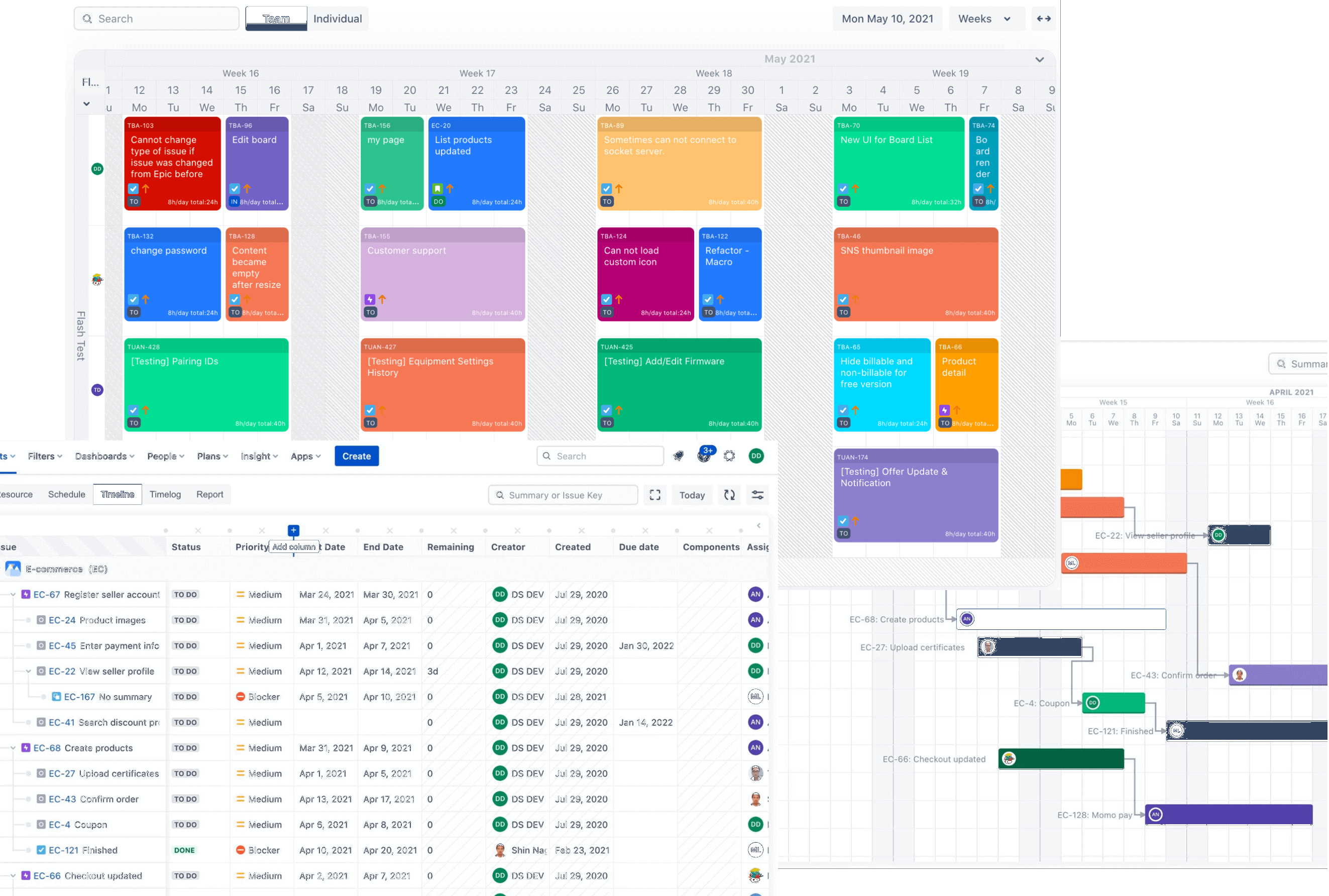
This isn’t just about getting organized; it’s about boosting your productivity, reducing stress, and ultimately, achieving your goals. We’re going to dive into some of the best project management tools out there, breaking down their features, pros, and cons so you can find the perfect fit for your needs. Ready to ditch the chaos and embrace control? Let’s get started!
Why You Need a Project Management Tool for Multiple Projects
Trying to keep track of multiple projects using spreadsheets, email threads, and sticky notes is a recipe for disaster. It’s inefficient, prone to errors, and incredibly stressful. A dedicated project management tool offers a centralized hub for all your project-related information, making it easier to stay organized, track progress, and collaborate effectively. Here’s why it’s essential:
- Centralized Information: No more searching through endless emails or scattered documents. Everything related to your project is in one place.
- Improved Collaboration: Teams can easily share updates, files, and feedback, ensuring everyone is on the same page.
- Better Time Management: Tools offer features like task scheduling, deadlines, and time tracking to help you stay on track and meet deadlines.
- Enhanced Visibility: Get a clear overview of all your projects, their status, and potential roadblocks.
- Reduced Stress: By streamlining your workflow and improving organization, project management tools can significantly reduce stress levels.
Top Project Management Tools for Handling Multiple Projects
There’s a plethora of project management tools available, each with its own strengths and weaknesses. Here’s a rundown of some of the best options, catering to different needs and budgets:
Asana: The Versatile Work Management Platform
Asana is a popular choice for its flexibility and comprehensive features. It allows you to create projects, assign tasks, set deadlines, and track progress in a visually appealing and intuitive interface. Its strength lies in its adaptability to various workflows and team sizes.
- Key Features: Task management, project timelines (Gantt charts), Kanban boards, workflow automation, reporting, integrations with other tools.
- Pros: Highly customizable, user-friendly interface, excellent collaboration features, robust reporting capabilities.
- Cons: Can be overwhelming for very small teams or simple projects, pricing can be a barrier for smaller businesses.
- Pricing: Offers a free plan for basic use. Paid plans start at around $10.99 per user per month.
Trello: The Kanban Board Champion
Trello is known for its simplicity and visual appeal. It uses a Kanban board system, which allows you to organize tasks into lists and move them across the board as they progress. It’s a great option for teams that prefer a visual, agile approach to project management.
- Key Features: Kanban boards, drag-and-drop functionality, customizable cards, checklists, due dates, attachments, integrations with other tools.
- Pros: Easy to use, visually appealing, excellent for collaborative task management, free plan available.
- Cons: Limited reporting capabilities compared to other tools, not ideal for complex projects with intricate dependencies.
- Pricing: Offers a free plan for basic use. Paid plans start at around $5 per user per month.
Monday.com: The Visual Project Management Powerhouse
Monday.com is another visually driven project management platform that offers a wide range of features. Its customizable boards and dashboards make it easy to track progress, manage resources, and collaborate with your team. It’s particularly well-suited for teams that need a high degree of customization and visual reporting.
- Key Features: Customizable boards, Gantt charts, Kanban boards, workflow automation, time tracking, reporting, integrations with other tools.
- Pros: Highly visual and intuitive, excellent collaboration features, robust reporting capabilities, customizable workflows.
- Cons: Can be more expensive than other options, the learning curve can be steeper for some users.
- Pricing: No free plan. Paid plans start at around $8 per user per month.
ClickUp: The All-in-One Productivity Platform
ClickUp aims to be the ultimate productivity platform, offering a wide range of features beyond just project management. It includes task management, time tracking, document management, and even goal tracking. It’s a good option for teams that want a single tool to handle all their productivity needs.

- Key Features: Task management, project timelines (Gantt charts), Kanban boards, workflow automation, time tracking, document management, goal tracking, reporting, integrations with other tools.
- Pros: Highly customizable, offers a wide range of features, free plan available, competitive pricing.
- Cons: Can be overwhelming due to the sheer number of features, the learning curve can be steep.
- Pricing: Offers a free plan for basic use. Paid plans start at around $5 per user per month.
Jira: The Agile Project Management Expert
Jira is specifically designed for agile project management, making it a popular choice for software development teams. It offers features like sprint planning, backlog management, and bug tracking. While it’s primarily focused on software development, it can also be used for other types of projects.
- Key Features: Sprint planning, backlog management, bug tracking, issue tracking, workflow automation, reporting, integrations with other tools.
- Pros: Excellent for agile development, robust issue tracking capabilities, highly customizable workflows.
- Cons: Can be complex to set up and use, primarily focused on software development.
- Pricing: Offers a free plan for small teams. Paid plans start at around $7.75 per user per month.
Choosing the Right Tool: Factors to Consider
With so many options available, choosing the right project management tool can feel overwhelming. Here are some factors to consider to help you make the best decision:
Team Size and Structure
The size and structure of your team will influence the features you need. Smaller teams might be able to get away with a simpler tool like Trello, while larger teams might need a more robust platform like Asana or Monday.com.
Project Complexity
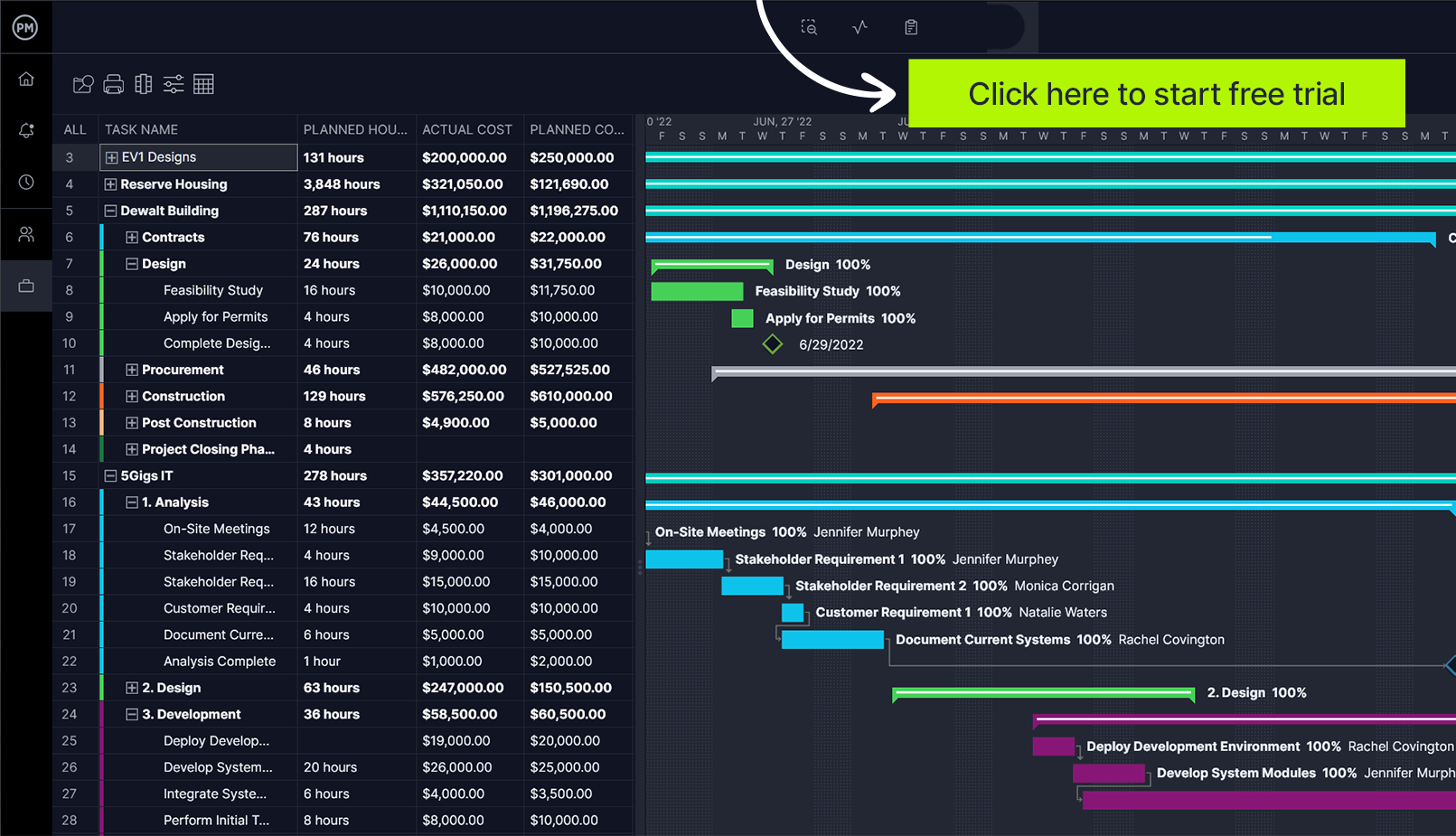
Consider the complexity of your projects. If you’re managing simple tasks with few dependencies, a basic tool might suffice. However, if you’re dealing with complex projects with intricate workflows and dependencies, you’ll need a tool with more advanced features like Gantt charts and workflow automation.
Budget
Project management tools range in price from free to hundreds of dollars per month. Consider your budget and choose a tool that offers the features you need at a price you can afford. Many tools offer free plans or trials, so you can try them out before committing to a paid subscription.
Integration with Other Tools
Make sure the tool you choose integrates with the other tools you use regularly, such as your email client, calendar, and file storage service. This will streamline your workflow and prevent you from having to switch between multiple applications.
Ease of Use
Choose a tool that is easy to learn and use. If your team struggles to understand the tool, they won’t use it effectively. Look for tools with intuitive interfaces and helpful documentation.
Tips for Effectively Managing Multiple Projects
Even with the best project management tool, managing multiple projects effectively requires a strategic approach. Here are some tips to help you stay on top of things:
- Prioritize Ruthlessly: Identify the most important tasks and projects and focus on those first. Use techniques like the Eisenhower Matrix (urgent/important) to prioritize effectively.
- Set Realistic Deadlines: Don’t overcommit yourself or your team. Be realistic about how long tasks will take and build in buffer time for unexpected delays.
- Delegate Effectively: Don’t try to do everything yourself. Delegate tasks to team members who have the skills and expertise to handle them.
- Communicate Regularly: Keep your team informed of progress, roadblocks, and any changes to the project plan. Regular communication will help prevent misunderstandings and keep everyone on the same page.
- Track Your Time: Use time tracking tools to understand how you’re spending your time and identify areas where you can improve efficiency.
- Take Breaks: Don’t burn yourself out. Take regular breaks to rest and recharge. This will help you stay focused and productive in the long run.
Conclusion: Take Control of Your Projects!
Managing multiple projects doesn’t have to be a chaotic and stressful experience. By choosing the right project management tool and implementing effective strategies, you can streamline your workflow, improve collaboration, and achieve your goals. So, take the time to evaluate your needs, explore the available options, and find the tool that works best for you. You’ll be amazed at how much easier it is to stay organized, productive, and in control when you have the right tools and techniques at your disposal. Now go forth and conquer those projects!
Frequently Asked Questions (FAQ) about Best Tools for Managing Multiple Projects at Once
What are the best project management tools for simultaneously managing multiple projects and keeping them organized?
Successfully managing multiple projects at once requires a robust project management tool. Several options excel in this area. Asana is a popular choice, offering task management, timelines, and reporting features. Monday.com provides a visually appealing and customizable workspace, ideal for tracking progress across different projects. ClickUp is another strong contender, known for its versatility and wide range of features, including customizable views, automations, and goal tracking. Trello, with its Kanban-style boards, is great for visual project management and collaboration. Finally, Jira, while primarily used for software development, can be adapted for other types of projects and offers powerful issue tracking and workflow management capabilities. The best tool for you will depend on your specific needs and team size.
How can I effectively use a project management software to prioritize tasks across multiple ongoing projects?
Effectively prioritizing tasks across multiple projects within a project management software hinges on a few key strategies. First, utilize the software’s priority settings (e.g., high, medium, low) to clearly indicate the urgency and importance of each task. Implement a consistent task scoring system that considers factors like deadlines, dependencies, and impact on project goals. Regularly review and update task priorities based on changing circumstances or new information. Use Gantt charts or timelines to visualize project schedules and identify critical paths, allowing you to focus on tasks that directly impact project completion dates. Many tools also offer features like workload management to ensure resources are allocated appropriately and prevent bottlenecks. Finally, foster open communication within your team to ensure everyone understands the prioritization rationale and can provide input. A comprehensive overview of project management methodologies will naturally lead us to a discussion of available tools, Best Project Management Software allowing teams to effectively implement these strategies
.
What features should I look for in a project management tool to help me track progress and manage resources when handling several projects concurrently?
When managing several projects simultaneously, a project management tool should have specific features to streamline tracking and resource allocation. Look for robust reporting and analytics to monitor project progress, identify potential roadblocks, and track key performance indicators (KPIs). Resource management features are crucial for allocating team members and equipment across different projects, ensuring optimal utilization and avoiding over-allocation. Task dependencies functionality allows you to define relationships between tasks, preventing delays and ensuring tasks are completed in the correct order. Calendar integration helps visualize deadlines and schedule tasks effectively. Collaboration tools, such as commenting and file sharing, facilitate communication and keep everyone informed. Finally, consider tools with automation capabilities to automate repetitive tasks and free up time for more strategic activities. Tools with portfolio management views, provide a high-level overview of all projects, are extremely beneficial.


