
Best Project Tools with Time Tracking Integration
Okay, so you’re juggling projects like a circus performer on a caffeine rush? We get it. Keeping track of deadlines, tasks, and team members is hard enough. But add in the need to accurately track time spent on each project, and suddenly you’re staring down a spreadsheet-sized abyss. Fear not, fellow project warrior! There’s a better way. We’re talking about project management tools that seamlessly integrate time tracking. Think of it as having a super-powered assistant who’s obsessed with efficiency and knows exactly where every minute goes.
Forget those days of manually logging your hours in a separate system (because, let’s be honest, who actually remembers what they did between 2:17 PM and 2:32 PM last Tuesday?). Integrated time tracking means your work hours are automatically recorded and linked directly to the project and tasks you’re working on. This not only saves you time and frustration but also provides valuable insights into project costs, team productivity, and overall efficiency. Basically, it’s like having a crystal ball that shows you exactly where your time is going (and whether or not you’re wasting it!).
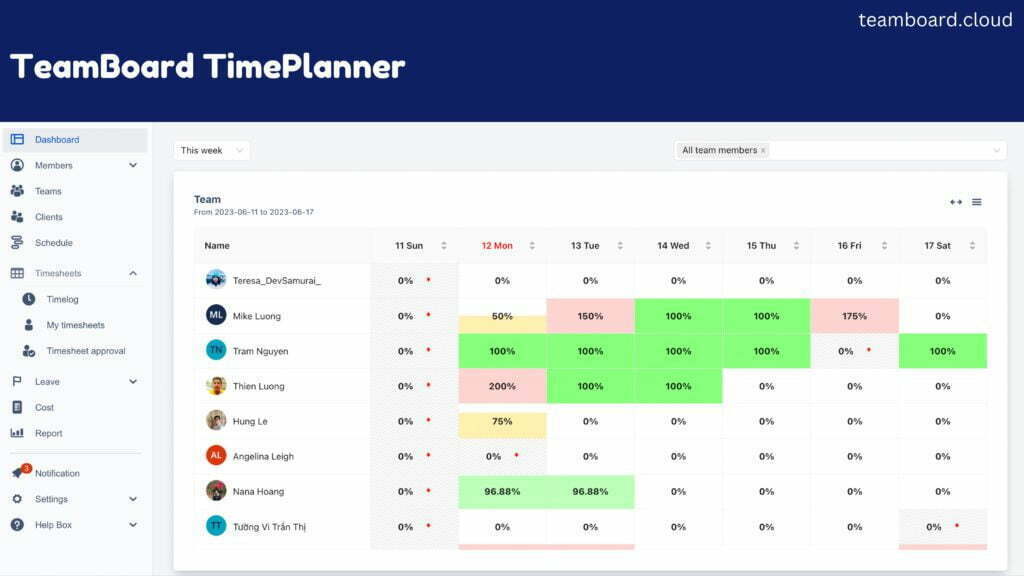
So, grab your favorite caffeinated beverage, settle in, and let’s dive into the best project tools with time tracking integration. We’re going to break down the features, pros, and cons of each, so you can choose the perfect tool to conquer your projects and reclaim your time. Get ready to say goodbye to spreadsheet chaos and hello to streamlined productivity!
Why You Need Project Tools with Time Tracking Integration
Let’s be real, manually tracking time is about as fun as filing taxes. It’s tedious, prone to errors, and frankly, a major time-suck. But accurate time tracking is crucial for successful project management. Here’s why integrated time tracking is a game-changer:
Accurate Project Costing
Knowing how much time is spent on each task is essential for accurate project costing. With integrated time tracking, you can easily calculate labor costs, track project profitability, and make informed decisions about resource allocation. No more guessing or relying on inaccurate estimates!
Improved Team Productivity
Time tracking provides valuable insights into team productivity. You can identify bottlenecks, track individual performance, and understand how long tasks actually take to complete. This data helps you optimize workflows, improve efficiency, and ensure everyone is working at their best.
Better Project Planning
Historical time tracking data can be used to improve future project planning. By analyzing past projects, you can estimate task durations more accurately, allocate resources effectively, and set realistic deadlines. This leads to more successful project outcomes and happier clients (and team members!).
Simplified Client Billing
For agencies and freelancers, accurate time tracking is essential for client billing. Integrated time tracking makes it easy to generate detailed invoices that accurately reflect the time spent on each project. This ensures you get paid fairly for your work and avoids disputes with clients.
Enhanced Accountability
When team members know their time is being tracked, they’re more likely to stay focused and productive. Integrated time tracking promotes accountability and helps ensure that everyone is contributing their fair share to the project.
Top Project Tools with Integrated Time Tracking
Alright, let’s get down to business! Here’s a rundown of some of the best project management tools that offer seamless time tracking integration:
Asana
Asana is a popular project management tool known for its user-friendly interface and robust features. Its integrated time tracking capabilities allow you to track time directly within tasks, assign time estimates, and generate reports. Asana integrates with several time tracking apps like Toggl Track and Clockify for even more advanced features.
- Pros: User-friendly interface, robust features, integrations with popular time tracking apps, good for team collaboration.
- Cons: Can be expensive for larger teams, the built-in time tracking feature is relatively basic.
- Pricing: Offers a free plan for individuals and small teams, paid plans start at around $10.99 per user per month.
Trello
Trello’s Kanban-style board makes it a visually appealing and easy-to-use project management tool. While Trello doesn’t have native time tracking, it integrates seamlessly with several time tracking Power-Ups (plugins) like Toggl Track, Clockify, and Harvest. These Power-Ups add time tracking functionality directly to your Trello cards.
- Pros: Visual and intuitive interface, highly customizable with Power-Ups, affordable pricing.
- Cons: Lacks native time tracking, relies on Power-Ups for time tracking functionality.
- Pricing: Offers a free plan, paid plans start at around $5 per user per month.
Monday.com
Monday.com is a highly customizable work OS that offers a wide range of project management features, including time tracking. Its time tracking feature allows you to track time directly within tasks, create custom time tracking fields, and generate detailed reports. Monday.com also integrates with other time tracking apps.
- Pros: Highly customizable, visually appealing, offers a wide range of features, good for team collaboration.
- Cons: Can be expensive for larger teams, can be overwhelming to learn all the features.
- Pricing: Paid plans start at around $9 per user per month.
ClickUp
ClickUp is an all-in-one productivity platform that offers a comprehensive suite of features, including project management, time tracking, and task management. Its time tracking feature allows you to track time directly within tasks, set time estimates, and generate detailed reports. ClickUp also integrates with other time tracking apps.
- Pros: Comprehensive suite of features, highly customizable, affordable pricing.
- Cons: Can be overwhelming to learn all the features, the interface can feel cluttered.
- Pricing: Offers a free plan, paid plans start at around $5 per user per month.
Teamwork
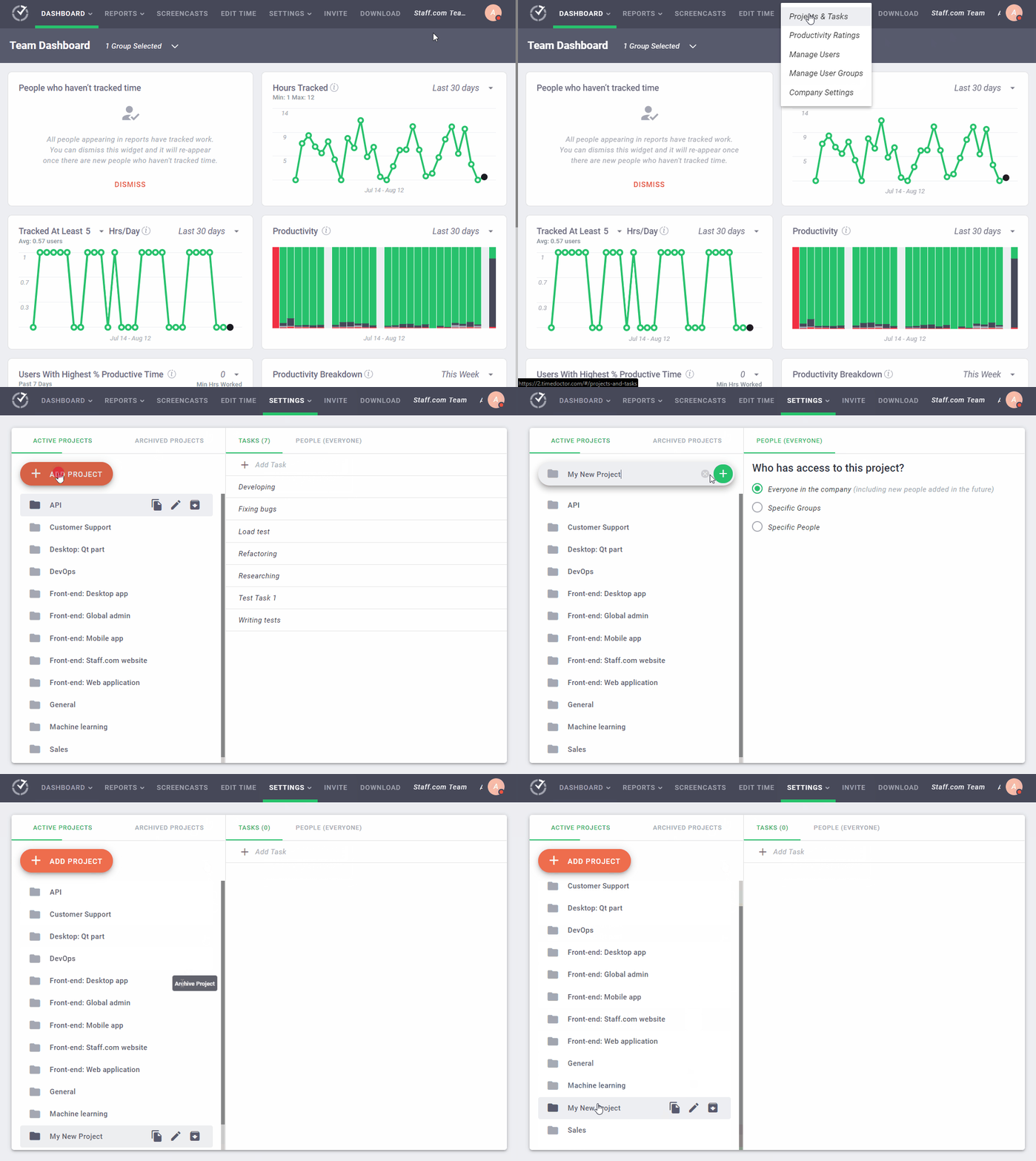
Teamwork is a project management platform specifically designed for agencies and client-facing teams. It offers robust time tracking features, including the ability to track time directly within tasks, create time budgets, and generate detailed reports. Teamwork also integrates with accounting software like QuickBooks and Xero.
- Pros: Designed for agencies, robust time tracking features, integrates with accounting software.
- Cons: Can be expensive for smaller teams, the interface can feel dated.
- Pricing: Paid plans start at around $12.50 per user per month.
Harvest
Harvest is primarily a time tracking tool, but it also offers project management features. It allows you to track time directly within tasks, create project budgets, and generate detailed reports. Harvest integrates with several project management tools like Asana and Trello.
- Pros: Primarily a time tracking tool, easy to use, integrates with popular project management tools.
- Cons: Project management features are limited compared to dedicated project management tools.
- Pricing: Offers a free plan for one user and two projects, paid plans start at around $12 per user per month.
Choosing the Right Tool for You
Selecting the right project tool with time tracking integration depends on your specific needs and requirements. Consider the following factors:
Team Size and Structure
Smaller teams might benefit from simpler tools like Trello or Harvest, while larger teams might need more robust platforms like Asana or Monday.com. Consider the complexity of your team’s structure and communication needs.
Project Complexity
If you’re managing complex projects with multiple dependencies, you’ll need a tool that offers advanced features like task dependencies, Gantt charts, and resource management. If your projects are relatively simple, a more basic tool might suffice.
Budget
Project management tools vary widely in price. Consider your budget and choose a tool that offers the features you need at a price you can afford. Don’t forget to factor in the cost of any integrations or add-ons.
Integration Needs
Make sure the tool integrates with other software you’re already using, such as accounting software, CRM systems, or communication platforms. This will streamline your workflow and avoid data silos.
Ease of Use
Choose a tool that’s easy to learn and use. A complicated tool will only frustrate your team and hinder productivity. Look for a tool with a user-friendly interface and good documentation.
Tips for Effective Time Tracking
Even with the best tools, effective time tracking requires discipline and consistency. Here are some tips to help you get the most out of your time tracking efforts:
Start Tracking Time Immediately
Don’t wait until the end of the day or week to log your time. Start tracking time as soon as you begin working on a task. This will ensure that your time records are accurate and complete.
Be Specific
When logging your time, be as specific as possible about the tasks you’re working on. This will help you understand where your time is going and identify areas for improvement.
Use Time Estimates
Before starting a task, estimate how long you think it will take to complete. This will help you track your progress and identify tasks that are taking longer than expected. Selecting the right tools can significantly impact project outcomes, which is why understanding Best Project Management Software is crucial for team efficiency
.
Review Your Time Logs Regularly
Review your time logs regularly to identify any errors or inconsistencies. This will help you maintain accurate records and make informed decisions about resource allocation.
Communicate with Your Team
Encourage your team to track their time accurately and consistently. Communicate the importance of time tracking and provide training on how to use the chosen tool effectively.
Final Thoughts
Choosing the right project tool with time tracking integration can significantly improve your team’s productivity, project costing, and overall efficiency. By carefully considering your needs and requirements, you can find a tool that helps you conquer your projects and reclaim your time. So, go forth and conquer that to-do list! You got this!
Frequently Asked Questions (FAQ) about Best Project Tools with Time Tracking Integration
What are the best project management tools that offer integrated time tracking, and what are their key benefits for improving team productivity and project profitability?
Several project management tools seamlessly integrate time tracking, significantly boosting team productivity and project profitability. Popular options include Asana, ClickUp, and Toggl Track (often used in conjunction with other PM tools). Asana, for example, allows users to track time directly within tasks, providing valuable insights into how time is spent. ClickUp offers comprehensive task management with built-in time tracking, reporting, and customizable dashboards. Toggl Track is a dedicated time tracking tool that integrates with numerous project management platforms. The benefits are substantial: accurate project costing, improved resource allocation, enhanced team accountability, and data-driven decision-making. Time tracking reveals bottlenecks, identifies areas for process improvement, and ultimately leads to more efficient project execution and increased profitability.
How do I choose the right project tool with time tracking for my team, considering factors like team size, project complexity, and budget constraints?
Choosing the right project tool with time tracking requires careful consideration of several factors. First, assess your team size; smaller teams may benefit from simpler, more affordable options like Toggl Track or Clockify, while larger teams with complex projects might need more robust solutions such as Asana or ClickUp. Project complexity is another critical aspect. If your projects involve intricate dependencies and workflows, a tool with advanced task management and reporting features is essential. Budget is always a constraint. Free plans or trials are available for many tools, allowing you to test their suitability. Consider the long-term cost, including potential upgrades and add-ons. Prioritize features that directly address your team’s needs and workflow. Read reviews, compare pricing plans, and ensure the chosen tool integrates with your existing systems for a seamless experience.
What are some best practices for effectively using time tracking features within project management software to improve project estimation and resource management?
To maximize the benefits of time tracking features in project management software, implementing best practices is crucial. Encourage team members to consistently and accurately track their time against specific tasks. Provide clear guidelines on how to categorize tasks and projects for consistent data collection. Regularly review time tracking data to identify trends, bottlenecks, and areas where project estimations deviate from actual time spent. Use historical data to refine future project estimations, leading to more accurate timelines and budgets. Analyze resource allocation to identify potential overloads or underutilization. Communicate insights from the time tracking data to the team, fostering a culture of transparency and continuous improvement. Train your team on how to use the time tracking tool effectively to ensure accurate and reliable data, leading to better project outcomes and resource management.


