
Top Tools for Project Resource Allocation
Ever feel like you’re juggling flaming chainsaws while trying to manage project resources? Yeah, we’ve all been there. Resource allocation can be a real headache, especially when you’re dealing with multiple projects, different skill sets, and ever-changing deadlines. It’s like trying to fit a square peg in a round hole… repeatedly. But hey, don’t despair! The good news is there are tools out there that can help you wrangle those resources and bring some sanity back to your project management life.
Think of resource allocation as the art of matching the right people with the right skills to the right tasks at the right time. Seems simple enough, right? Wrong! Factors like employee availability, project priorities, and budget constraints can throw a wrench into even the most carefully laid plans. Without the right tools, you’re basically flying blind, relying on spreadsheets and gut feelings, which, let’s be honest, isn’t the most reliable strategy. You need something that gives you a clear overview of your resources, helps you identify potential bottlenecks, and allows you to make informed decisions.
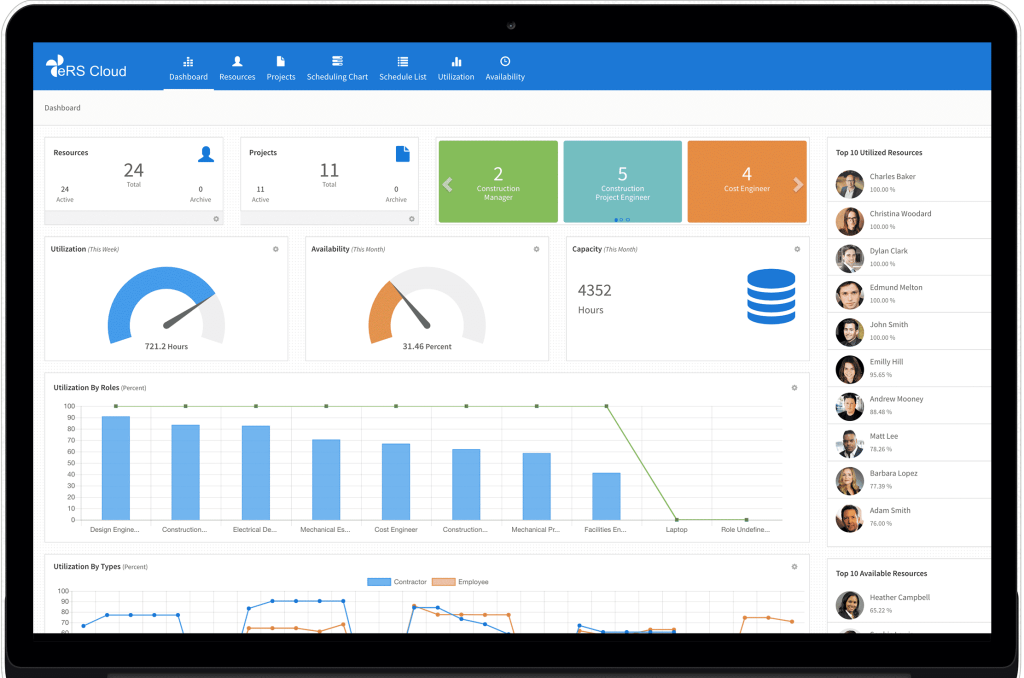
So, ditch the spreadsheets and say goodbye to the resource allocation chaos! In this article, we’re diving deep into the world of project resource allocation tools. We’ll be exploring some of the top contenders, highlighting their key features, and helping you figure out which one is the perfect fit for your team and your projects. Get ready to level up your project management game and reclaim your sanity!
Understanding Project Resource Allocation
Before we jump into the tools themselves, let’s make sure we’re all on the same page about what project resource allocation actually is and why it’s so crucial. It’s more than just assigning tasks; it’s about strategic planning and optimization.
What is Project Resource Allocation?
Project resource allocation is the process of assigning and managing resources – people, equipment, materials, and finances – to project tasks and activities. It involves identifying the resources required for a project, determining their availability, and assigning them to specific tasks based on their skills, experience, and availability. The goal is to ensure that the right resources are available at the right time to complete the project successfully, within budget, and on schedule. Evaluating project needs carefully is crucial, and Best Project Management Software can be a key step in that process
.
Why is it Important?
Effective resource allocation is essential for project success for several reasons:
- Improved Project Efficiency: By matching the right resources to the right tasks, you can maximize productivity and minimize wasted effort.
- Reduced Project Costs: Proper resource allocation helps avoid over-allocation or under-allocation of resources, preventing unnecessary costs and delays.
- Enhanced Project Timelines: Efficient resource management ensures that tasks are completed on time, contributing to the overall project timeline.
- Improved Employee Satisfaction: When employees are assigned tasks that align with their skills and interests, they are more likely to be engaged and motivated, leading to higher job satisfaction.
- Better Resource Utilization: Resource allocation helps optimize the use of available resources, preventing them from sitting idle or being underutilized.
- Risk Mitigation: Identifying potential resource bottlenecks or shortages early on allows you to take proactive measures to mitigate risks and prevent project delays.
Top Tools for Project Resource Allocation
Alright, let’s get to the good stuff! Here are some of the top tools available for project resource allocation, each with its own strengths and weaknesses.
1. Asana
Asana is a popular project management tool that offers robust resource allocation features. It’s known for its user-friendly interface and collaborative capabilities.
- Key Features: Task management, workload management, resource calendars, real-time collaboration, reporting and analytics.
- Pros: Easy to use, excellent for team collaboration, integrates with other popular tools.
- Cons: Can be expensive for large teams, resource management features may not be as advanced as some dedicated resource management tools.
- Best For: Teams of all sizes looking for a comprehensive project management solution with resource allocation capabilities.
2. Jira
Jira is a powerful project management tool, particularly popular in software development teams. It offers a wide range of features for tracking issues, managing projects, and allocating resources.
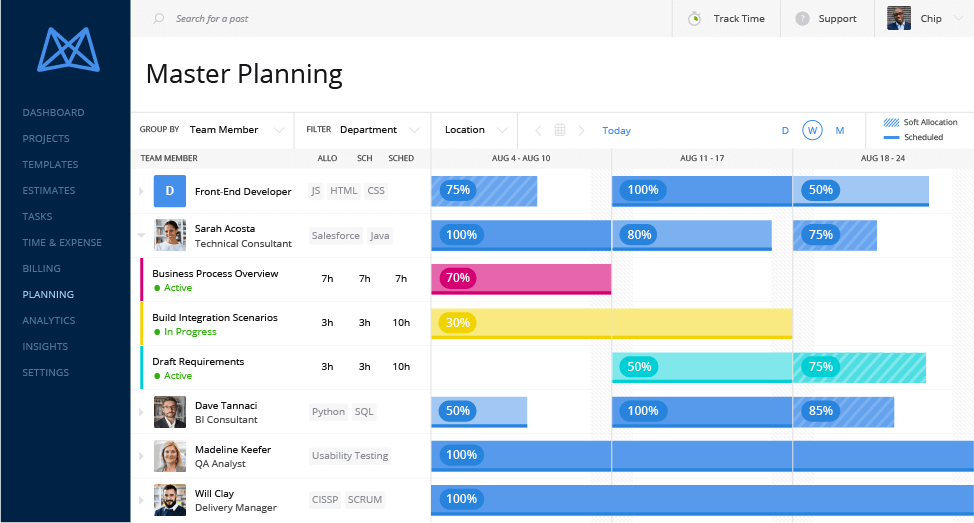
- Key Features: Issue tracking, agile project management, workflow automation, resource allocation, reporting and analytics.
- Pros: Highly customizable, integrates with other Atlassian products, robust issue tracking capabilities.
- Cons: Can be complex to set up and use, steeper learning curve than some other tools.
- Best For: Software development teams and other technical teams that need a powerful and customizable project management solution.
3. Microsoft Project
Microsoft Project is a classic project management tool that has been around for years. It offers a comprehensive suite of features for planning, scheduling, and managing projects, including resource allocation.
- Key Features: Gantt charts, resource management, critical path analysis, budget tracking, reporting and analytics.
- Pros: Widely used and recognized, powerful features for project planning and scheduling.
- Cons: Can be expensive, requires a dedicated license, not as collaborative as some other tools.
- Best For: Large organizations and project managers who need a comprehensive project management solution with advanced features.
4. Teamwork
Teamwork is a project management platform designed to streamline collaboration and improve team productivity. It offers a range of features for managing projects, tasks, and resources.
- Key Features: Task management, time tracking, resource scheduling, project budgeting, client management.
- Pros: User-friendly interface, excellent for client collaboration, integrated time tracking.
- Cons: Can be expensive for large teams, reporting features could be more robust.
- Best For: Agencies, freelancers, and small to medium-sized businesses that need a project management tool with client management capabilities.
5. Resource Guru
Resource Guru is a dedicated resource scheduling and capacity planning tool. It’s designed specifically for managing resources across multiple projects and teams.
- Key Features: Resource scheduling, capacity planning, leave management, conflict detection, reporting and analytics.
- Pros: Simple and intuitive interface, excellent for resource scheduling and capacity planning, visual dashboards.
- Cons: Limited project management features, focuses primarily on resource management.
- Best For: Organizations that need a dedicated resource management tool to manage resources across multiple projects and teams.
6. Forecast by Frontapp
Forecast is a resource management and project planning tool designed to help businesses optimize resource utilization and improve project profitability. It integrates seamlessly with project management tools like Jira and Asana.
- Key Features: Resource forecasting, capacity planning, time tracking, project budgeting, reporting and analytics.
- Pros: Advanced forecasting capabilities, integrates with popular project management tools, data-driven insights.
- Cons: Can be expensive, steeper learning curve than some other tools.
- Best For: Businesses that need advanced resource forecasting and capacity planning capabilities to optimize resource utilization and improve project profitability.
7. Toggl Plan
Toggl Plan (formerly Teamweek) is a visual project planning and resource management tool. It offers a simple and intuitive way to plan projects, schedule resources, and track progress.
- Key Features: Visual timeline, resource scheduling, task management, team collaboration, reporting and analytics.
- Pros: Easy to use, visual interface, excellent for team collaboration.
- Cons: Limited project management features, focuses primarily on visual planning and resource scheduling.
- Best For: Small to medium-sized teams that need a simple and visual project planning and resource management tool.
Choosing the Right Tool for You
With so many options available, choosing the right resource allocation tool can feel overwhelming. Here are some factors to consider when making your decision:
Factors to Consider
- Team Size and Structure: Consider the size of your team and how it’s structured. Some tools are better suited for small teams, while others are designed for larger organizations.
- Project Complexity: Think about the complexity of your projects. If you’re working on simple projects, a basic tool might be sufficient. However, if you’re dealing with complex projects, you’ll need a tool with more advanced features.
- Budget: Resource allocation tools range in price from free to very expensive. Set a budget before you start shopping around.
- Integration with Existing Tools: Choose a tool that integrates with the other tools you’re already using, such as project management software, CRM systems, and accounting software.
- Ease of Use: Select a tool that is easy to use and that your team will actually use. A tool with a complex interface will likely be abandoned.
- Features: Make a list of the features that are most important to you, such as resource scheduling, capacity planning, time tracking, and reporting.
- Scalability: Choose a tool that can scale as your business grows.
Tips for Implementing a Resource Allocation Tool
Once you’ve chosen a resource allocation tool, here are some tips for implementing it successfully:
- Define Clear Roles and Responsibilities: Clearly define who is responsible for managing resources and allocating tasks.
- Train Your Team: Provide training to your team on how to use the tool effectively.
- Establish Standard Processes: Establish standard processes for resource allocation, task management, and time tracking.
- Monitor and Track Progress: Regularly monitor and track progress to identify potential bottlenecks or issues.
- Communicate Effectively: Communicate regularly with your team about resource availability, project priorities, and any changes to the plan.
- Regularly Review and Adjust: Regularly review and adjust your resource allocation strategy based on project performance and changing business needs.
Conclusion
Project resource allocation is a critical aspect of successful project management. By using the right tools and implementing effective processes, you can optimize resource utilization, improve project efficiency, and reduce costs. Whether you choose a comprehensive project management solution like Asana or Jira, or a dedicated resource management tool like Resource Guru or Forecast, the key is to find a tool that fits your team’s needs and helps you achieve your project goals. So, take the time to evaluate your options, experiment with different tools, and find the one that works best for you. Your sanity (and your projects) will thank you!
Frequently Asked Questions (FAQ) about Top Tools for Project Resource Allocation
What are the key features I should look for when choosing project resource allocation software to optimize team workload and project timelines?
When selecting project resource allocation software, several key features are crucial for effective workload management and project timeline optimization. Firstly, look for robust resource scheduling capabilities that allow you to visualize team availability, skills, and current assignments. Secondly, real-time tracking of resource utilization is essential to identify potential bottlenecks and prevent overallocation. Thirdly, the tool should offer scenario planning features to simulate different resource allocation scenarios and assess their impact on project timelines and budgets. Fourthly, integration with project management software (like Jira, Asana, or Microsoft Project) is vital for seamless data flow and collaboration. Finally, consider tools that offer reporting and analytics to gain insights into resource performance, project costs, and overall efficiency. Prioritizing these features will significantly improve your ability to allocate resources effectively and deliver projects on time and within budget.
Which project resource allocation tools are best for managing remote teams with diverse skill sets across multiple projects simultaneously?
Managing remote teams with diverse skill sets across multiple projects requires a resource allocation tool that offers strong collaboration and visibility features. Asana is a popular choice due to its task management capabilities, clear communication channels, and resource workload views. It allows for easy assignment of tasks and tracking of progress. Monday.com is another excellent option, providing highly customizable dashboards and workflows, enabling teams to visualize project timelines and resource capacity. Resource Guru specializes in resource scheduling and offers a clear overview of team availability and project assignments. Teamdeck focuses on time tracking and resource allocation, providing detailed reports on resource utilization and project costs. Finally, consider Forecast by Frontapp, a powerful platform that integrates time tracking, resource planning, and project management. The best tool will depend on your specific needs and team size, but these options are generally well-suited for managing complex remote teams.
How can project resource allocation software help in forecasting future resource needs and preventing resource overallocation in upcoming projects?
Project resource allocation software plays a crucial role in forecasting future resource needs and preventing overallocation by providing a centralized view of current and planned projects, along with the availability of team members. These tools allow project managers to analyze historical data on resource utilization to predict future demands based on project scope and complexity. By tracking team member skills and availability, the software can identify potential skill gaps or resource bottlenecks well in advance. Features like scenario planning allow you to simulate different project timelines and resource allocation strategies to see how they impact overall resource availability. Real-time dashboards and reports provide insights into resource utilization rates, highlighting potential instances of overallocation or underutilization. Ultimately, using these tools enables proactive resource management, preventing delays and ensuring projects are staffed appropriately from the outset. This proactive approach leads to better project outcomes and improved team satisfaction.


